
Brand 2.0
Presenter: Kevin Yam – Directer, mobile and interactive platforms, National Geographic
 Few other publications have the longevity of National Geographic, but like any magazine, it has had to adjust to adapt to technological changes and the way that users choose to experience media. A few years ago, the company looked at all of its media offerings – magazines, tv, games, online, image collection, music, books, films, and maps – and discussed how it could offer that compelling content together across all of that existing media. As they develop new content, they consider how it could be used (licensing) and how to best tell the story in many different ways.
Developing this led to a heavy focus on user experiences, which forced them to examine the context in which their content was consumed. With the emergence of mobile, consumers now have immediate access to information and resources, and National Geographic wants to be there with their rich, outstanding content. This recent led to the development of a Bird Finder app which helps users identify birds (using location information), and incorporates sounds and video. Additionally the app allows them to “check in” the bird, creating crowdsourced maps of where types of birds have been seen.
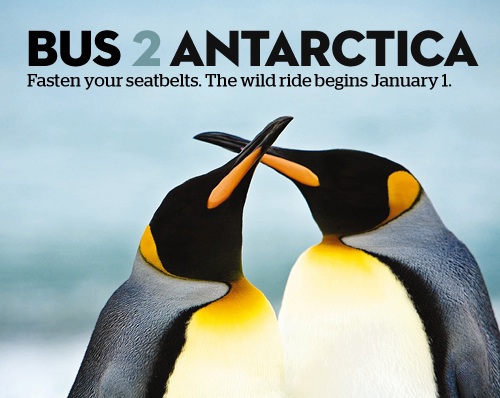
They also recently completed a project to tell the story of going to Antarctica – Bus 2 Antarctica. They used new and social media to help tell the story of, “1 man, 10 weeks, and 10,000 miles,” traveling from National Geographic’s offices to Antarctica. He kept followers up-to-the-hour on his travels via Twitter (@bus2antarctica), a blog, facebook, an interactive map, and media partnerships with FOX, ABC, and CBS. The traveler used only an iPhone, still camera, video camera, GPS, and a tracking device to report his stories through all of these media. It helped to prove they could tell a tremendously compelling story, in real time, for an extremely low cost. Every brand needs to consider how they can take advantage of new and social media to tell their story or provide brand content.
Tags
Related Posts
Share This



 Subscribe via email